Australia
Specialty retail, food-service pilots, cellar-door-adjacent pantry ranges, and lower-friction first export steps.
Products and markets
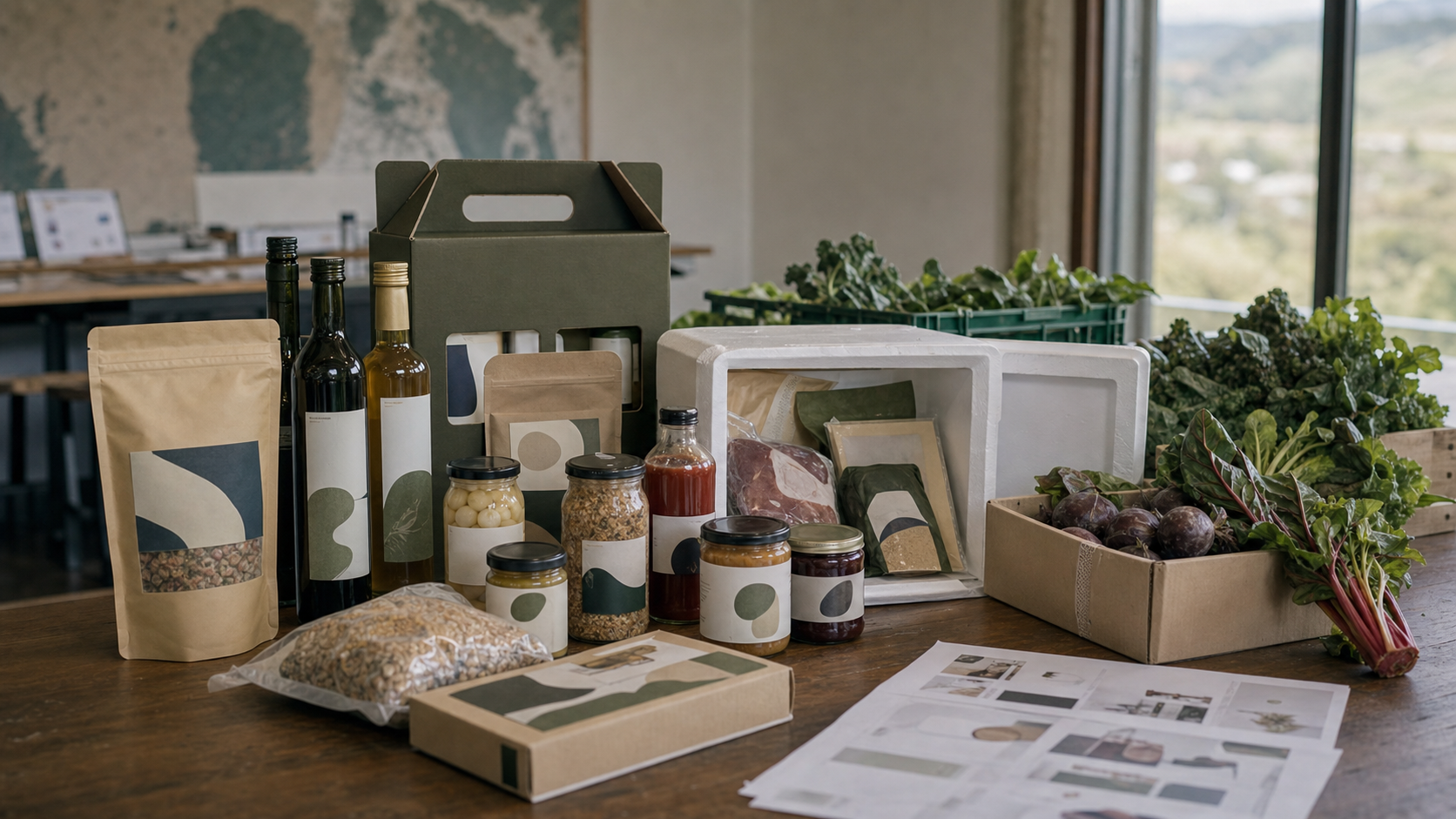
Aotea Kai works across food and wellbeing categories where quality, proof, handling, story, scarcity, and channel discipline matter. The company has a few international clients, but the deeper advantage is knowing when overseas demand strengthens the pathway.
International growth
Premium wine relationships, honey proof pathways, specialty food lines, and emerging wellbeing products found stronger interest than expected in selected international channels. That success helped Aotea Kai grow and strengthened its discipline around scarcity, allocation, claims, logistics, and producer value.
Specialty retail, food-service pilots, cellar-door-adjacent pantry ranges, and lower-friction first export steps.
Premium buyer interest in provenance, consistency, packaging discipline, allocation, and proof-heavy categories.
Compact premium channels, hospitality buyers, wellness curiosity, and small-volume high-service expectations.
Selected specialty buyers, story-rich products, and strong expectations around documentation and public claims.
Market work
Explain scarcity, handling, proof, producer capacity, and why distinctive products deserve more than commodity treatment.
Choose between specialty retail, hospitality, food service, direct allocation, export partners, and trial channels.
Understand what buyers expect in wine, honey, ferments, wellness, frozen specialty foods, and emerging ingredients.
Turn buyer enthusiasm into a pathway that production, logistics, reputation, and producer confidence can carry.
Useful for local presence and early product learning, with a rhythm best suited to producers who value flexible volume.
Strong for distinctive product and chef relationships, demanding on delivery windows and consistency.
Good for provenance and category fit, shaped by packaging, shelf life, and story standardisation.
High upside when proof, allocation, freight, and buyer expectations are tight enough to protect reputation.
Categories
Strong for story and market heat when buyer excitement stays aligned with producer capacity and freight reality.
Strong for traceability and premium channels when claim language, price, and authenticity evidence move together.
Useful for emerging wellness and hospitality channels, but only when food safety, claims, and stability evidence are strong.
Can extend regional products into better channels, but cold-chain cost and labour capacity are decisive.
Potentially valuable, but early-stage and relationship-sensitive. Aotea Kai treats this as cautious pathway work, not hype.
Trial markets are most valuable when they show which pathway deserves the next investment.
Whether the buyer can support the product after the novelty of the first order has passed.
How much proof the category requires before public language, packaging, or export copy is ready.
Whether scarcity is being used to protect quality and keep growth workable.

Market discipline
That means choosing buyers carefully, pacing launches, and asking whether the product is being valued for the right reasons.
How we choose
The same product can be sensible in one market and premature in another. Aotea Kai looks for the pathway that protects value after the first order, instead of chasing the one that only creates attention.
When scarcity is part of quality, producer control, seasonality, or proof. We would rather allocate carefully than teach a buyer that the producer can stretch indefinitely.
When the product, producer, route, packaging, proof, margin, and service level can hold through buyer expectations. Visibility is valuable when it supports the producer's future as well as the shelf presence.
Selected export customers helped Aotea Kai learn that some products travel further than expected when proof, quality, allocation, and story are held together. They also make distance, documentation, freight, and emissions impossible to ignore.
Market note
The market readiness note sets out how Aotea Kai thinks about buyer fit, export curiosity, allocation, category expectations, and demand selection.
Buyer fit, category discipline, allocation, export interest, and how we select demand.
Route and Market Intelligence NoteHow freight reality, proof, route readiness, and market selection shape Aotea Kai decisions.
Next-Stage ReadinessGovernance, evidence, people, capital options, and public-growth discipline.
Reports and evidencePublic reports, proof practice, downloads, and updates on claims discipline.