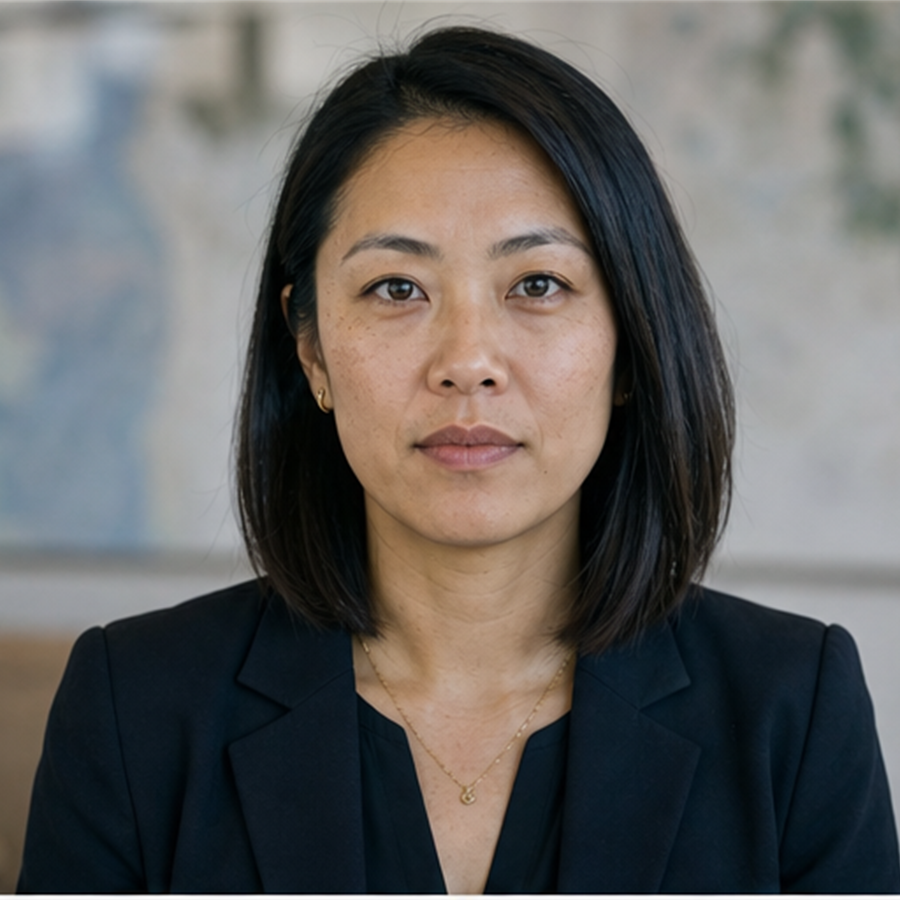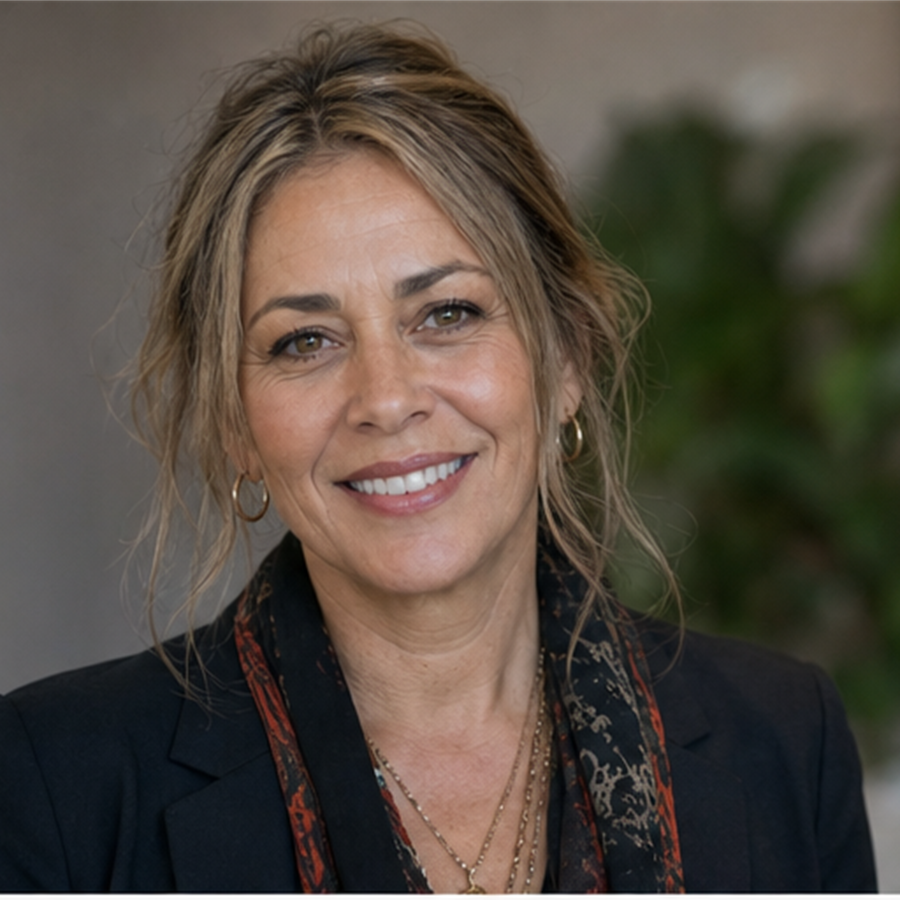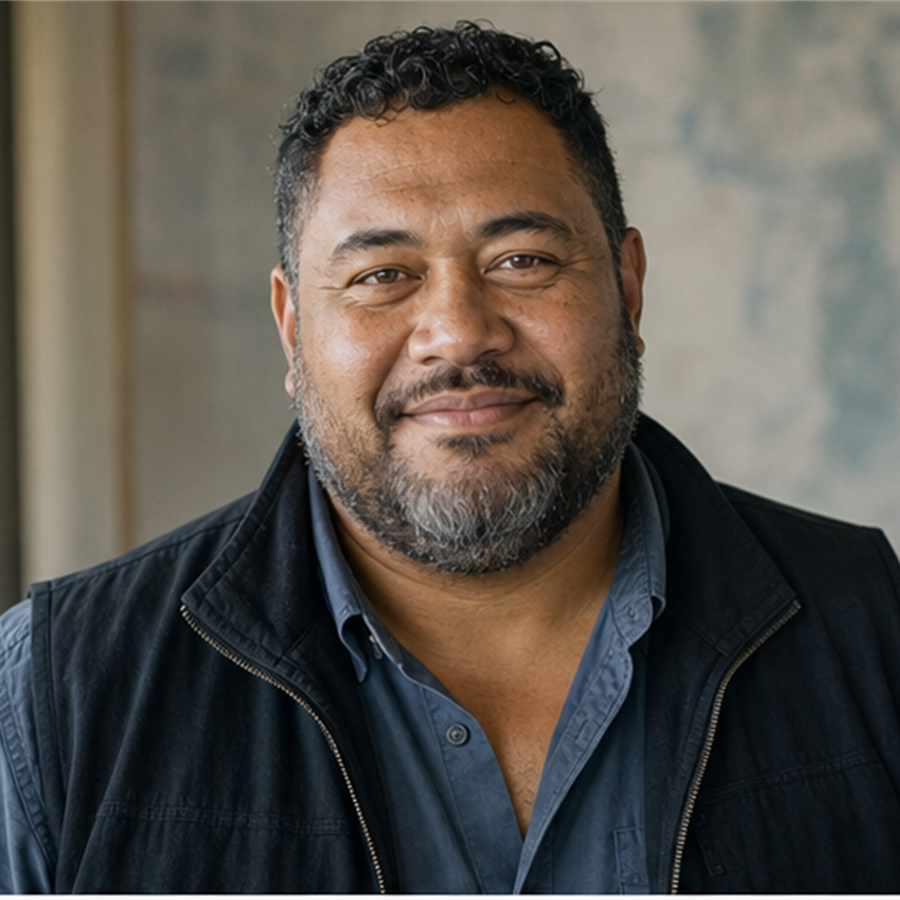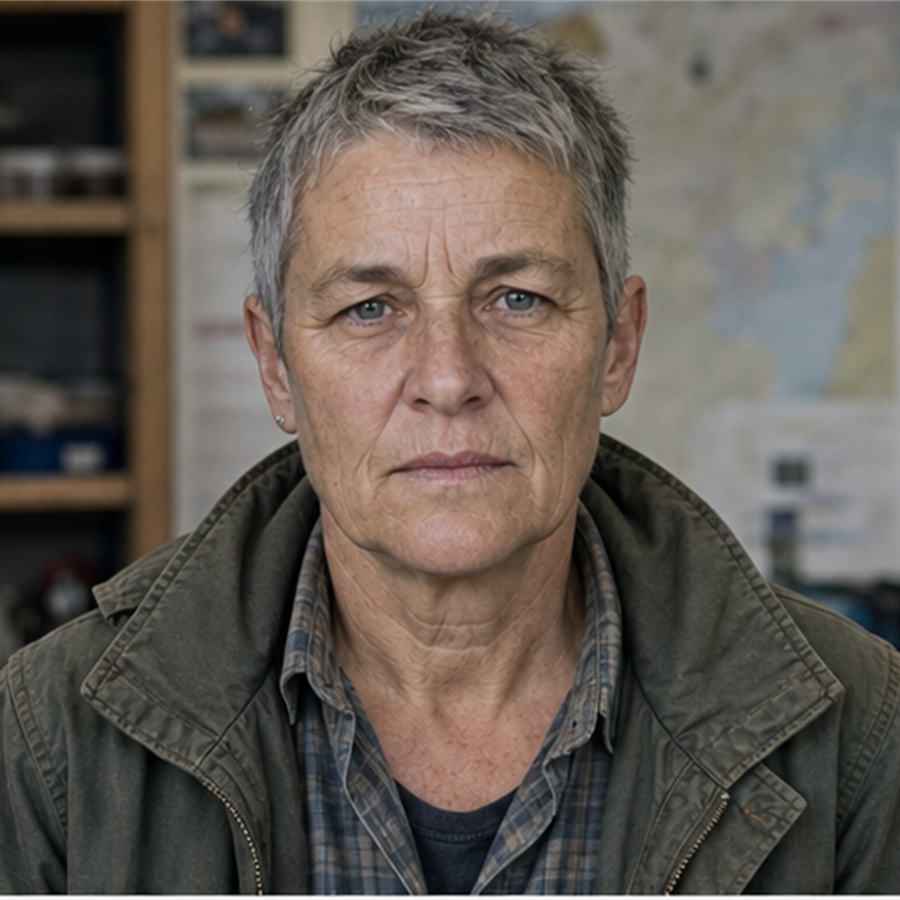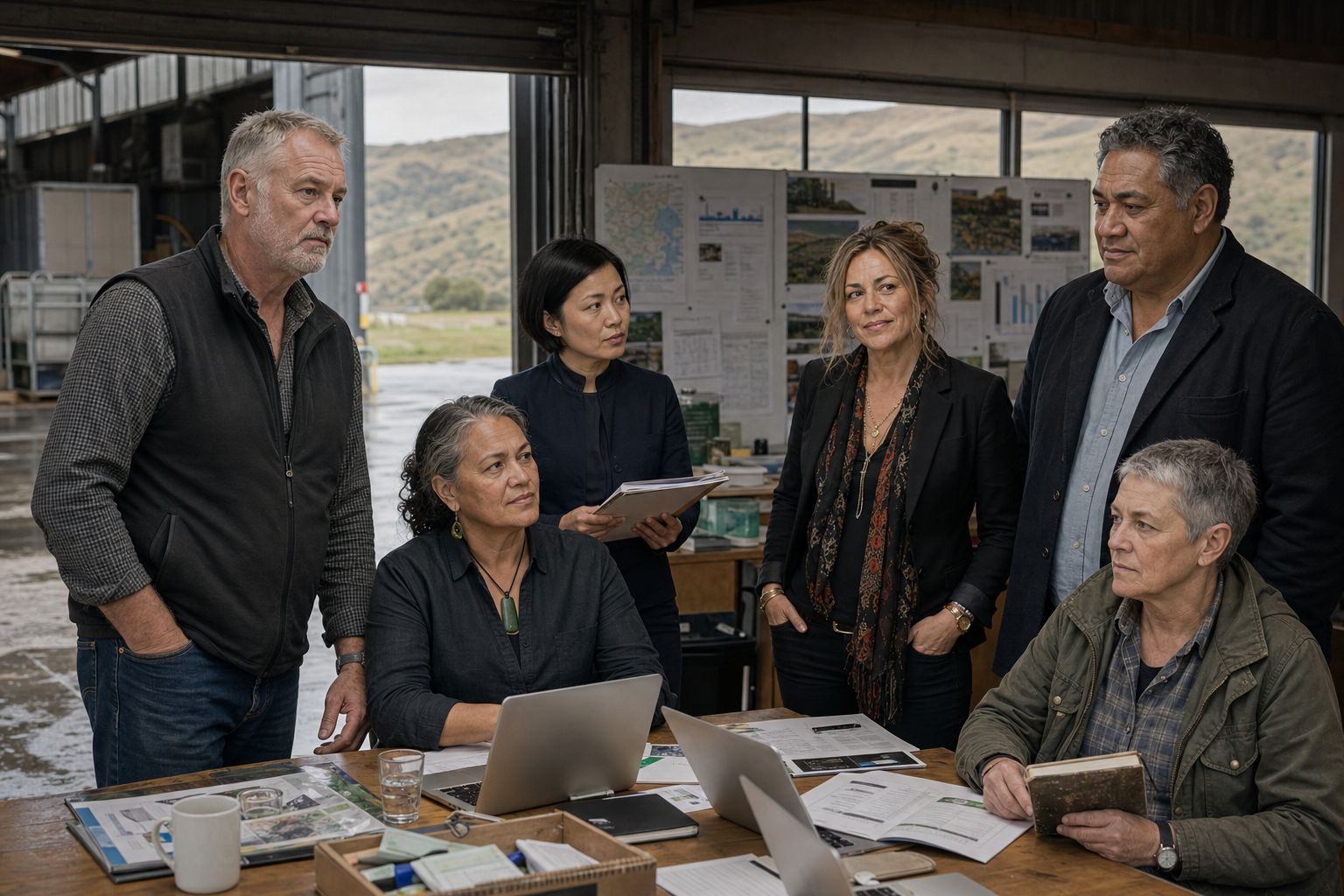
Aotea Kai senior leadership group in a logistics and route-planning environment.

People

People who know the pathway from different sides.

Aotea Kai is led by people who bring different forms of judgement into the same room. The work needs producer trust, market energy, financial discipline, route reality, relationship care, and evidence.

Leadership

Public biographies from a leadership room built around complementary judgement.

The leadership room brings together commercial pace, producer trust, finance, market energy, logistics reality, relationship care, and impact evidence. Aotea Kai works best when those perspectives strengthen the same pathway before it moves.

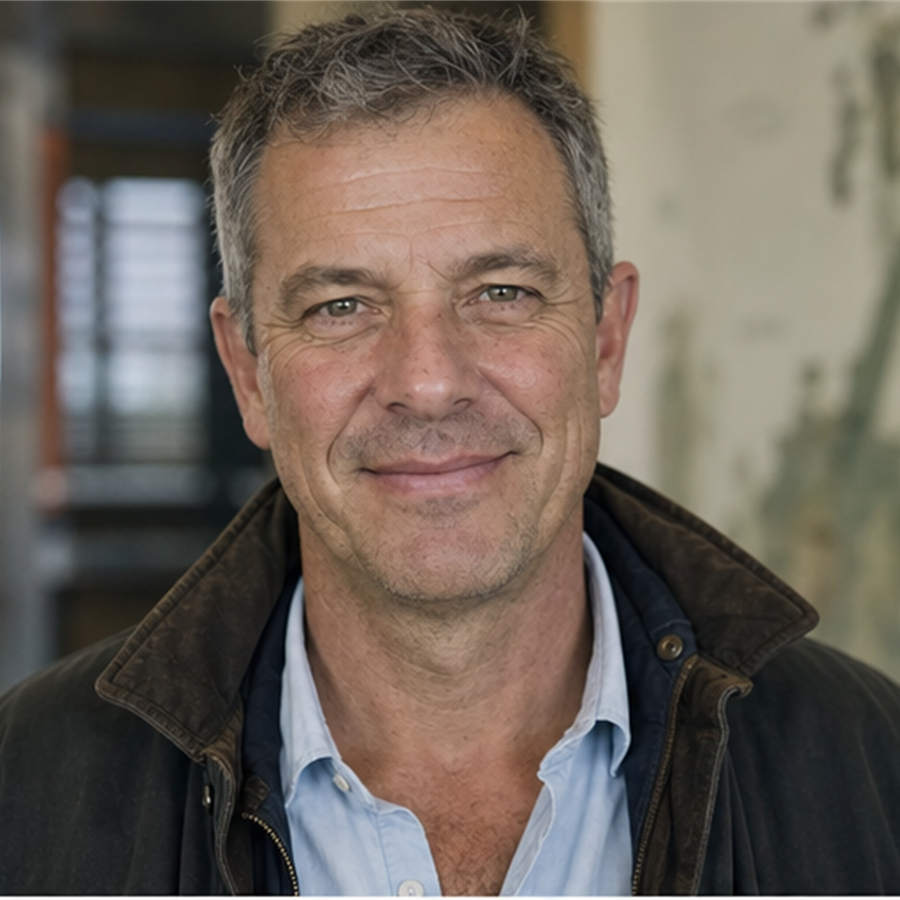
Jack McKenzie portrait.

Jack McKenzie

Founder and Chief Executive

Jack grew up around producer work before he learned the language of channels, margins, logistics, and market access. He co-founded Aotea Kai because he wanted strong producers to have more influence over the routes, terms, and markets that shape value.

Current focus: route capacity, market credibility, pathway options, and whether Aotea Kai is becoming strong enough to matter.

What this brings into the room: a constant test of whether purpose has enough operating power behind it.

"My work is to make the route possible with the discipline the route deserves."
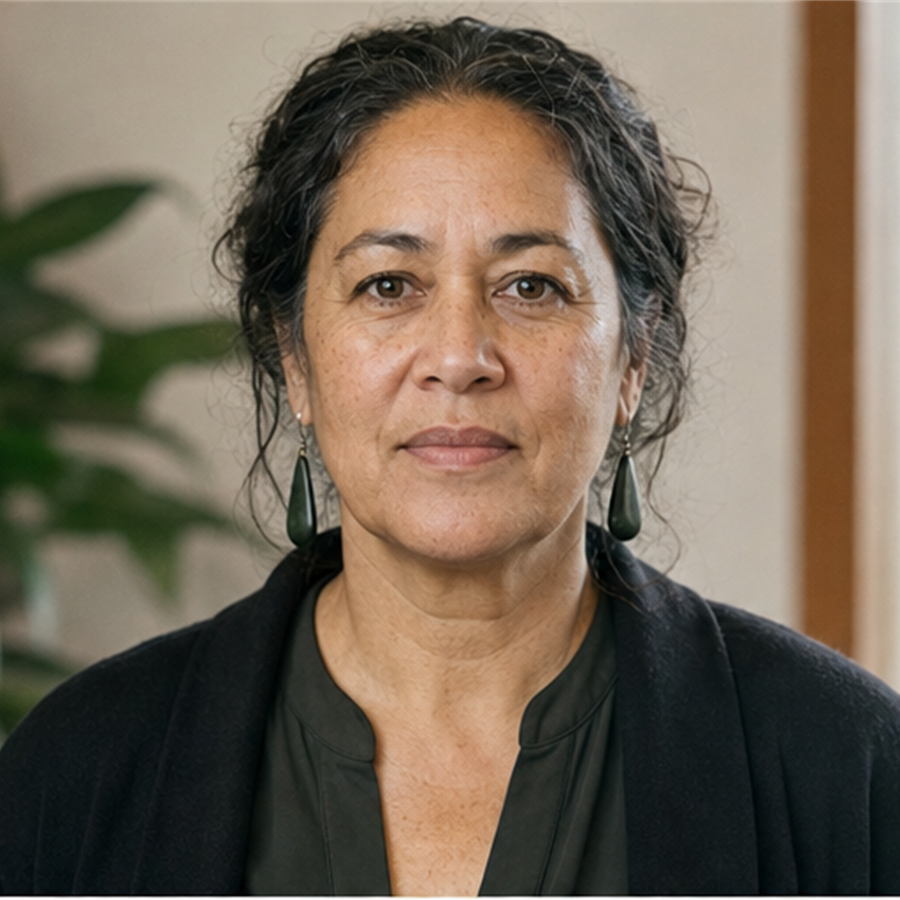
Marama Te Rito portrait.

Marama Te Rito

Co-founder, Relationships and Responsibility

Marama helped shape the principle that value should stay close to the people, places, relationships, and living systems that created it. She pushed the founders to treat the Aotea Kai name as an obligation before it became public language.

Current focus: story use, producer agreement, local relationship practice, public claims, and whether language keeps pace with relationship.

What this brings into the room: a requirement that public language stays connected to relationship, review, and return.

"Growth asks for language. Relationships ask for time. I want Aotea Kai to be clear about how both are carried."

Rebecca Li portrait.

Rebecca Li

Finance and Pathway Readiness

Rebecca leads the financial and readiness work that turns ambition into models, runway, scenario tests, funding choices, and decision thresholds. She is fast, precise, and focused on claims that are supported by cash flow.

Current focus: capital options, margin structure, reinvestment capacity, governance readiness, and whether the company can fund the promises it publishes.

What this brings into the room: a reminder that values need funding, controls, and assumptions people can see.

"A good model should make a decision clearer, not prettier."

Chrystal Beatson portrait.

Chrystal Beatson

Market and Commercial Development

Chrystal built much of Aotea Kai's commercial confidence in premium retail, hospitality, wine, honey, and selected export-facing conversations. She knows how buyer desire moves quickly and how disciplined translation turns interest into a better pathway.

Current focus: buyer fit, channel choice, market heat, product positioning, allocation, and the difference between a good room and a good pathway.

What this brings into the room: a sharper distinction between being wanted and being ready.

"The right room helps a good product find the pathway it deserves."

Tavita Tupuola portrait.

Tavita Tupuola

Producer Partnerships

Tavita works closest to the point where the plan meets the producer who has to live with it. His work sits across producer confidence, practical capacity, relationship memory, and shared understanding of what Aotea Kai has promised.

Current focus: producer readiness, trust, communication, choice, relationship rhythm, and how growth is paced with producer confidence.

What this brings into the room: a view of producer trust as business infrastructure, not soft goodwill.

"If a pathway works at the producer table, it has a stronger chance everywhere else."

Kate Morgan portrait.

Kate Morgan

Sustainability and Impact Evidence

Kate brings the evidence discipline behind Aotea Kai's sustainability, impact, proof, and claim language. She joined because she saw a company willing to make evidence useful for decisions as well as reports.

Current focus: proof coverage, impact indicators, evidence development, claim thresholds, route confidence, and how the company keeps its own story decision-useful.

What this brings into the room: a habit of asking whether public claims can improve decisions when evidence is still developing.

"A claim is useful when it helps us make a better decision. Before that, it is only a sentence."

What Jack brings

Momentum, market seriousness, route capability, and the belief that producers need a company large enough to matter. He keeps the room focused on whether careful work is becoming real market power.

What Marama protects

Relationship quality, the meaning of the name, producer voice, story use, review, and the long view. She keeps the room focused on whether Aotea Kai has earned the words it uses.

What the current SLT keeps visible

The current SLT keeps funding, evidence, route resilience, and producer readiness visible alongside ambition. The work is choosing a pathway while enough detail remains close enough to guide the decision.

How the room works

Complementary perspectives strengthen the pathway.

Aotea Kai's leadership process brings different forms of judgement into the same decision: market confidence, producer readiness, financial structure, route reality, relationship care, and evidence.

Pathway review

Jack, Chrystal, Rebecca, Tavita, Kate, and Marama test market opportunity, cost, producer capacity, proof, route confidence, relationship language, and timing before larger commitments move.

Claims review

Public claims about value return, place, producer story, sustainability, and impact are connected to the records, relationships, and review processes behind them.

Producer readiness check

Before growth language is used, the company asks which producers become visible, who carries new demand, and whether the people in the story agree with how the story is travelling.

Route reality check

Logistics, quality, and operations teams help test whether timing, temperature, paperwork, and route records support the public pathway promise.

Capital discipline

Rebecca tests whether Aotea Kai can fund what it says it will protect, and how each capital pathway supports the company Aotea Kai is trying to become.

Review loop

When feedback changes public wording, producer expectations, or relationship practice, the learning is carried into the next process, not only the next sentence.

Growth

Opportunity needs readiness

Jack and Chrystal make opportunities visible, then the room tests whether the pathway can carry them.

Finance

Models show assumptions

Rebecca's work makes cost, reinvestment, and capital structure visible enough to question.

Relationships

Trust needs return

Marama and Tavita keep producer confidence, story use, and relationship memory close to the decision.

Evidence

Proof must keep pace

Kate tests whether impact, sustainability, and values claims have evidence that can guide action.

The wider company

Aotea Kai is larger than the leadership photograph.

Around 122 people work across regional operations, logistics, producer partnerships, market development, finance, systems, quality, impact, administration, and central coordination. Most of the company is not on public pages. That is normal. The daily work is carried by the people who check pallets, call producers back, reconcile route records, write buyer notes, refine documents, test claims, and prepare the next movement well.

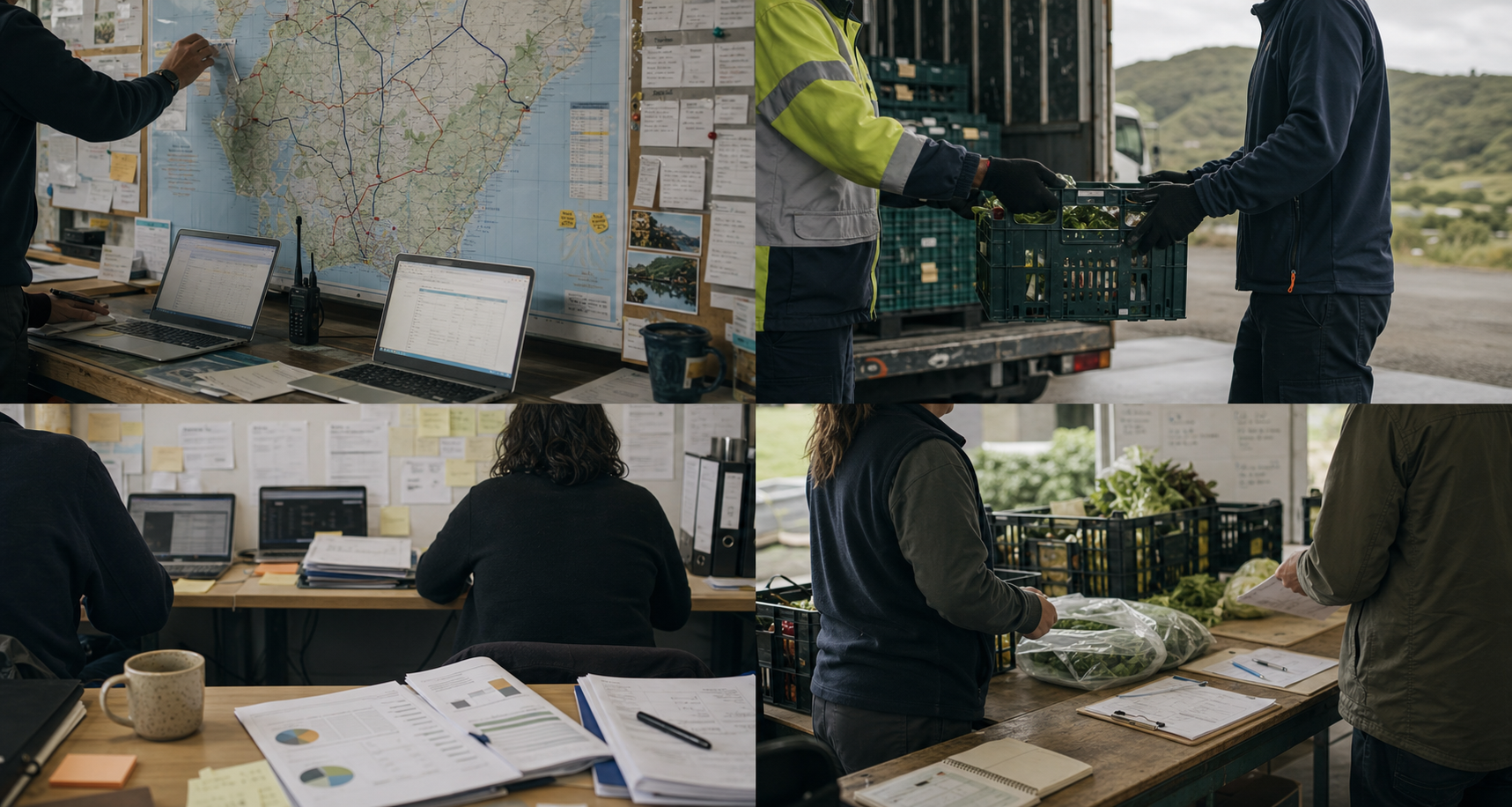
Aotea Kai wider workforce activity across route planning, logistics handoff, office coordination, and producer pathway work.

People and culture

The company is held together by work that rarely makes the photograph.

Our people work across route boards, loading bays, producer tables, proof folders, buyer notes, and quiet follow-up calls. The leadership group sets direction; the wider company makes the direction real.

Open people and culture snapshot
43%regional operations and logistics
18%producer partnerships and capability
14%market and buyer development
11%quality, proof, sustainability, and systems
14%finance, people, administration, and coordination
How we make the work lighter without making it smaller

We keep route records visible, share producer context early, and make teams record decisions while the detail is still close. That helps responsibility travel with the pathway instead of arriving late in one place.

Where the work concentrates

Growth concentrates important work in the middle of the company: dispatch coordinators, producer partnership leads, proof and quality staff, finance analysts, category managers, and people managers who turn ambition into workable rhythm.